Our Programs & Thematic Focus Areas
Integrated programs designed to address rural poverty, water scarcity, women's empowerment, and community institution building across Madhya Pradesh & Uttar Pradesh.
Sustainable Livelihoods & Women's Economic Empowerment
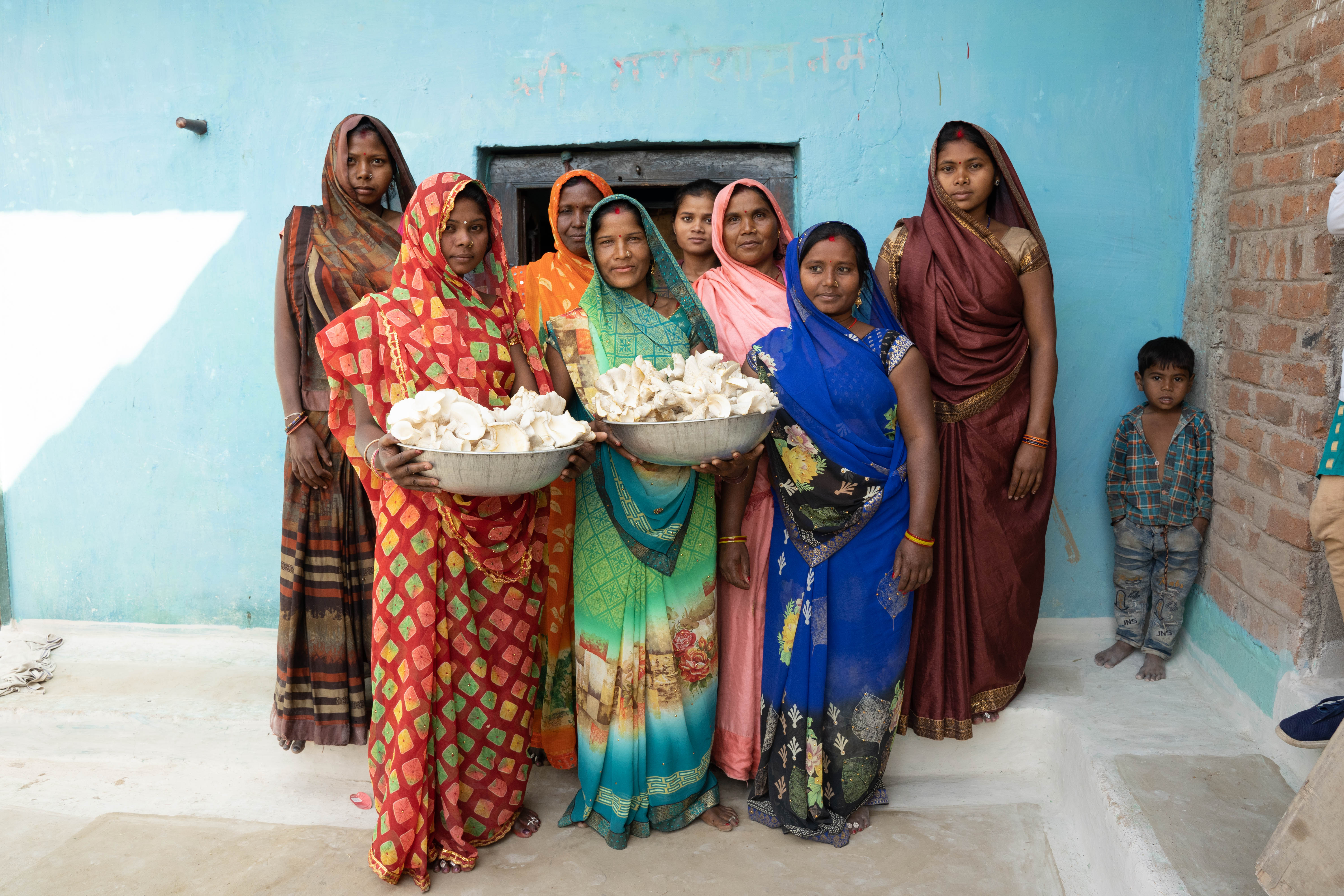
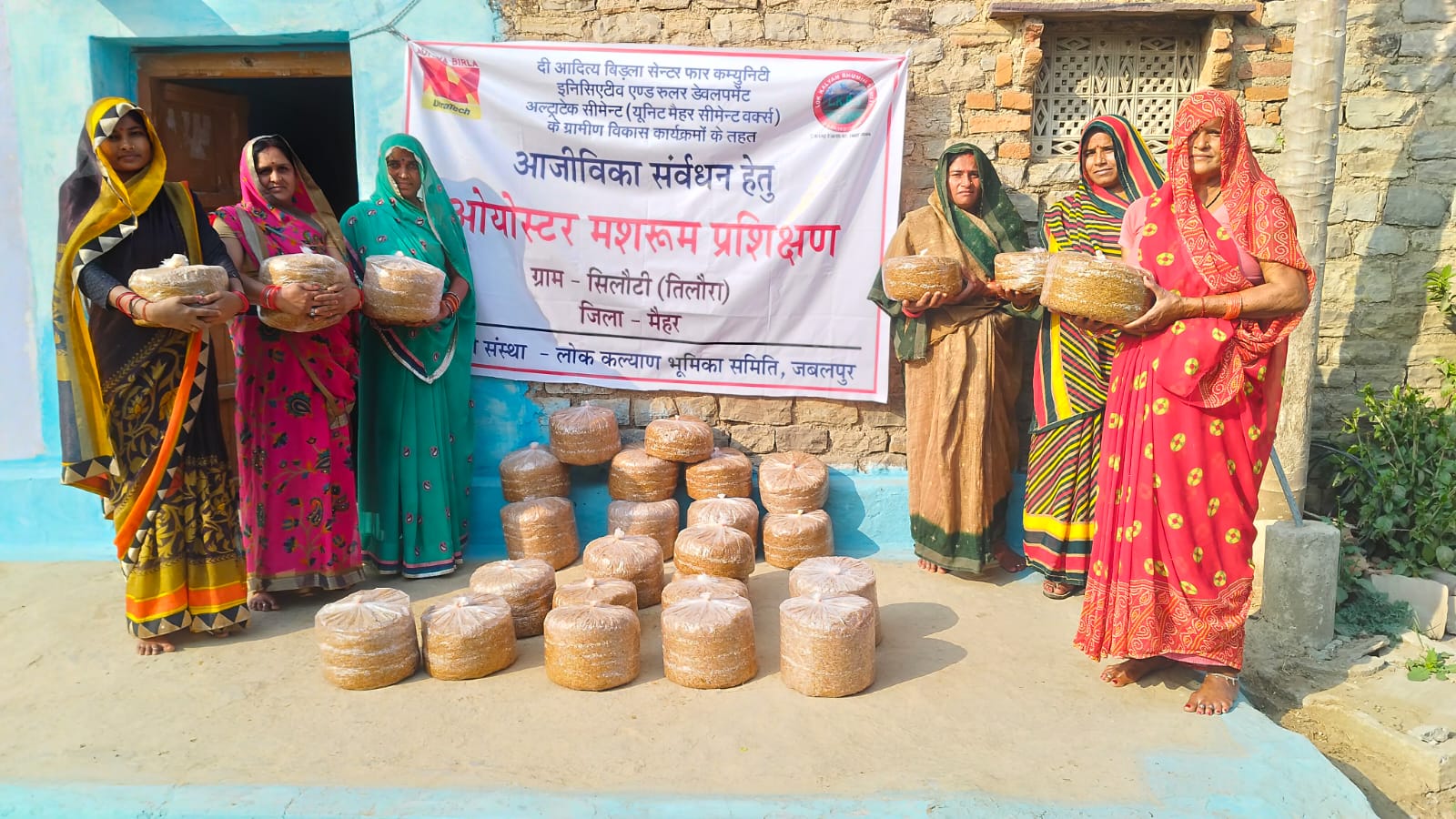
This thematic area focuses on enhancing rural incomes and promoting women's leadership in economic activities by equipping them with market-relevant skills and facilitating micro-enterprise development. Through vocational training, SHG strengthening, and backward-forward linkages, LKBS ensures women are not only producers but decision-makers in their households and communities.
Key Objectives:
Key Milestones & Achievements:
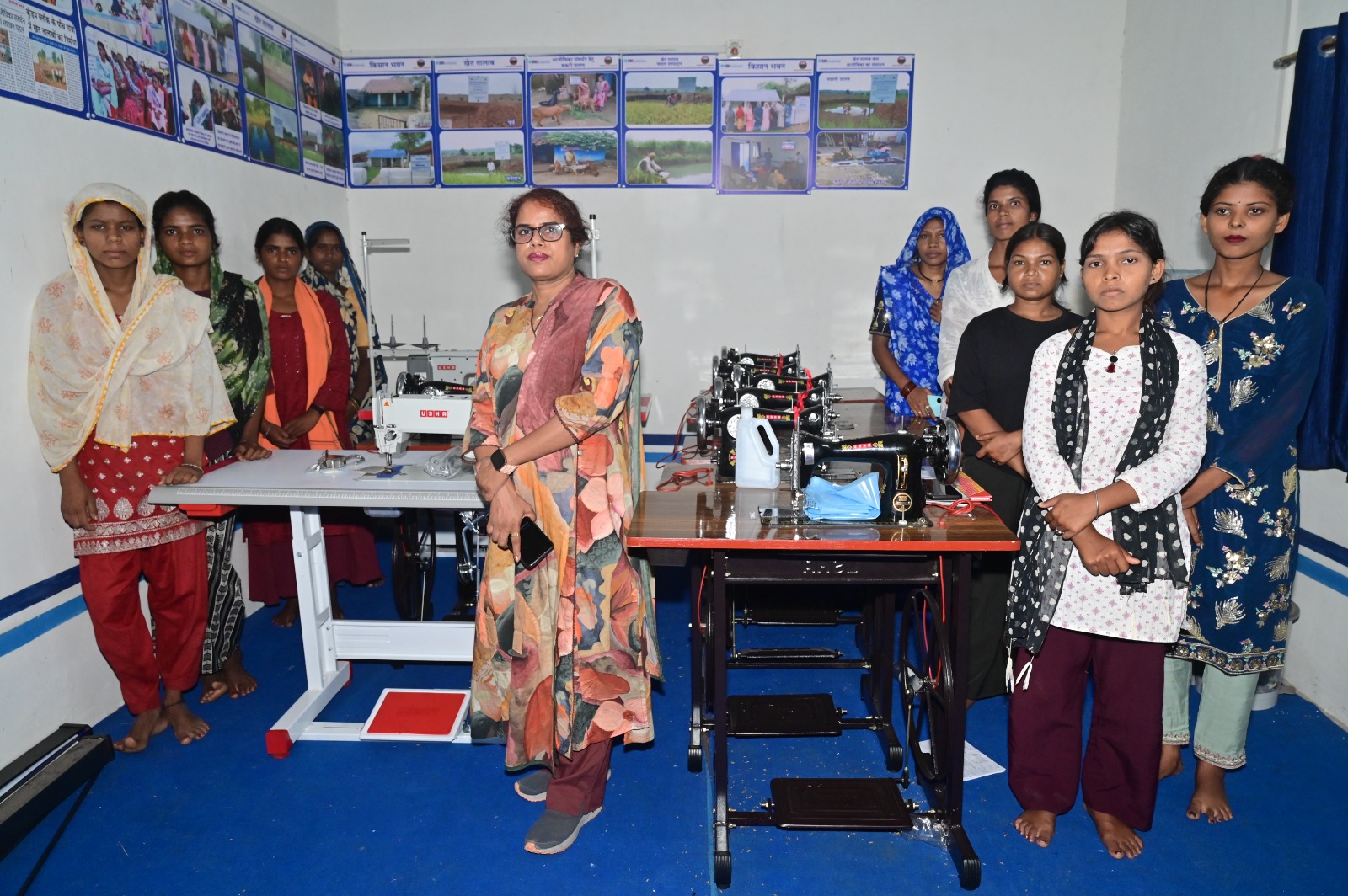
- 2,300+ women trained across diverse livelihood sectors
- 40+ jute artisans still engaged in sustained production
- 75+ women continue earning monthly income from beekeeping
- 500+ women trained in paper bag making; many scaled under NRLM
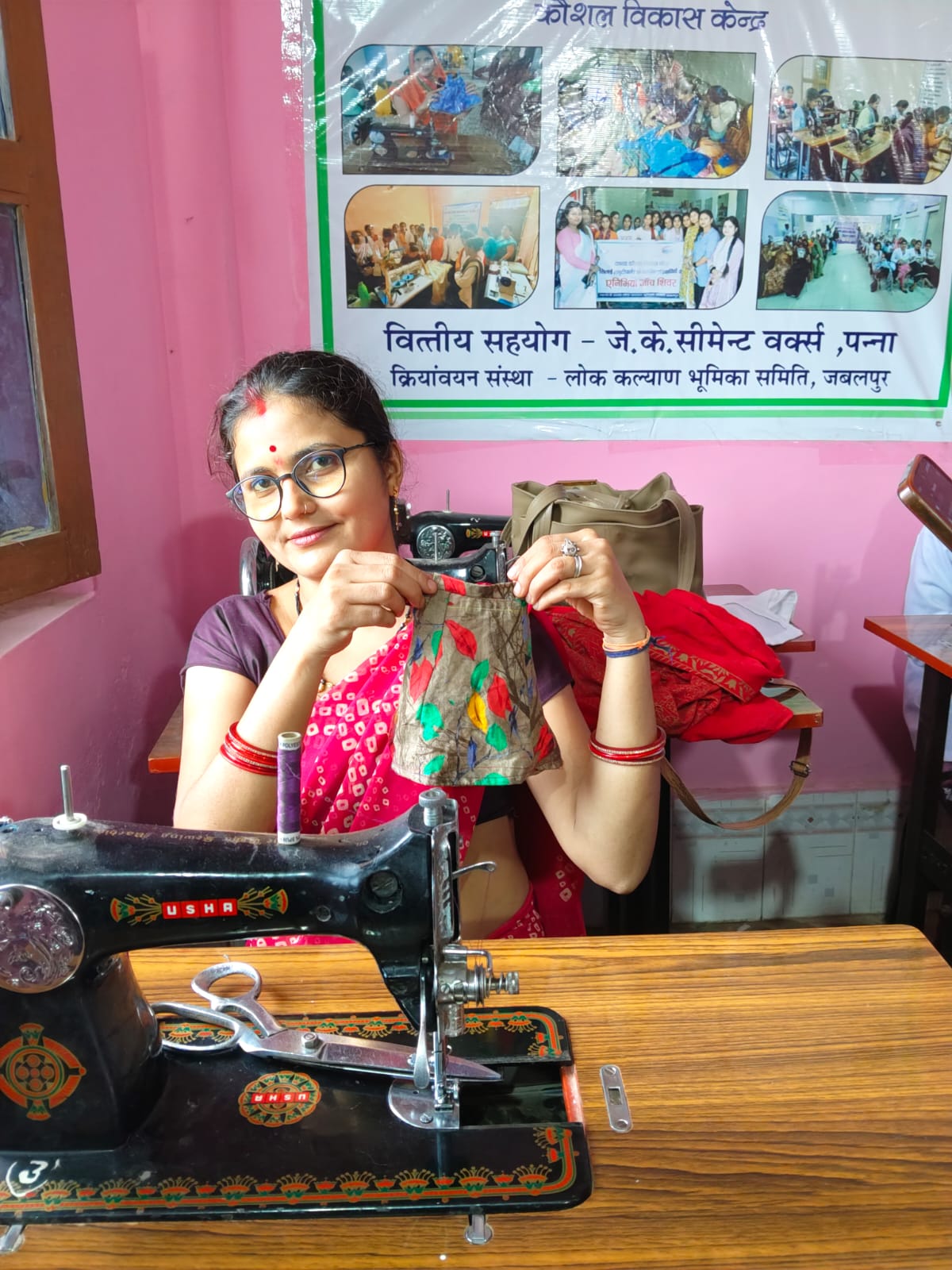
- 22+ women earning ₹700–₹4,000 monthly through home-based stitching
- Multiple haats and marts developed to ensure regular income for women entrepreneurs
Impact Summary
Climate-Resilient Agriculture & Water Resource Management
This thematic area aims to build resilience among smallholder and tribal farmers by addressing water scarcity, soil degradation, and climate variability. LKBS promotes nature-based solutions and climate-smart practices that ensure food security, restore ecological balance, and improve rural incomes.
Key Objectives:
Key Milestones & Achievements:
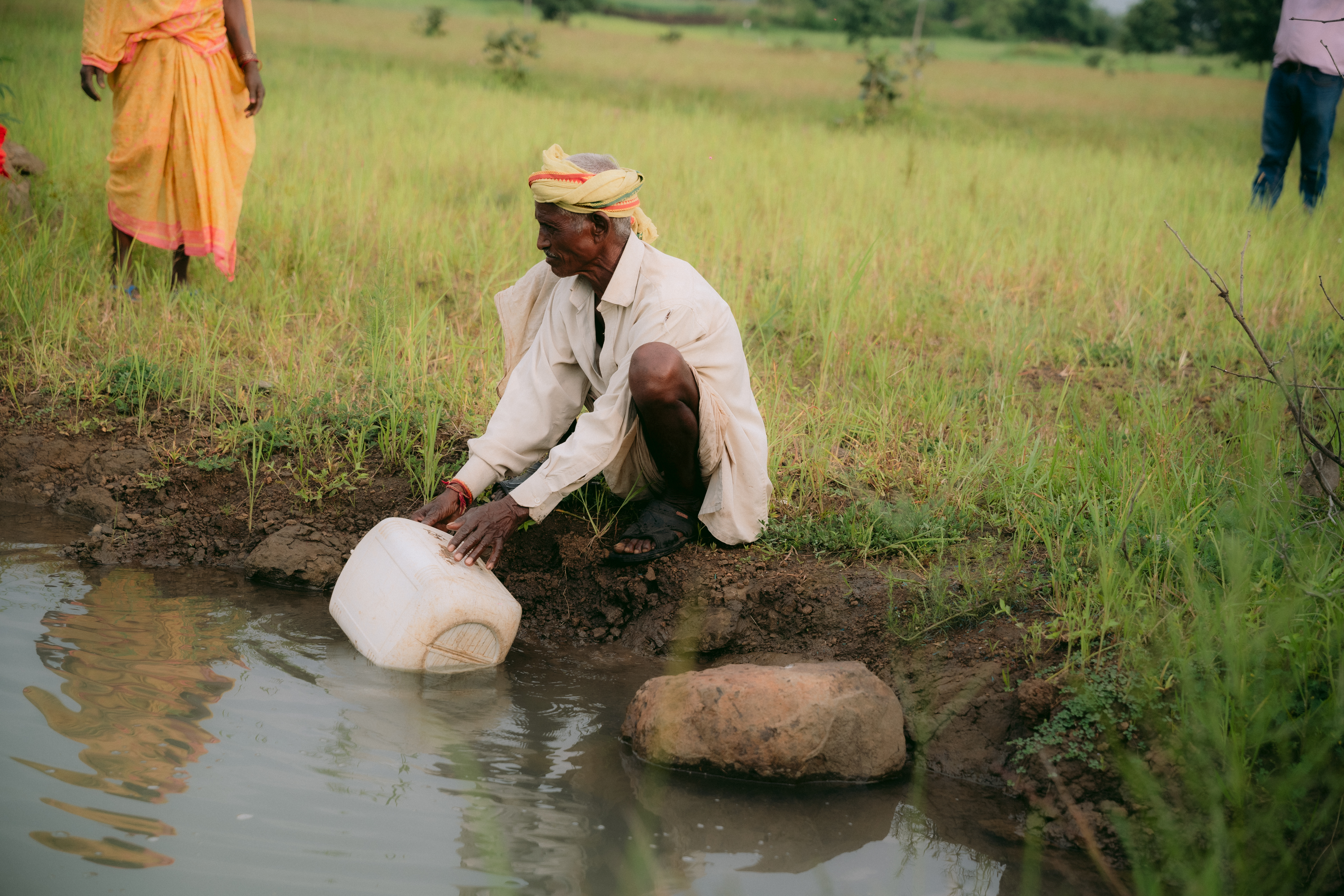
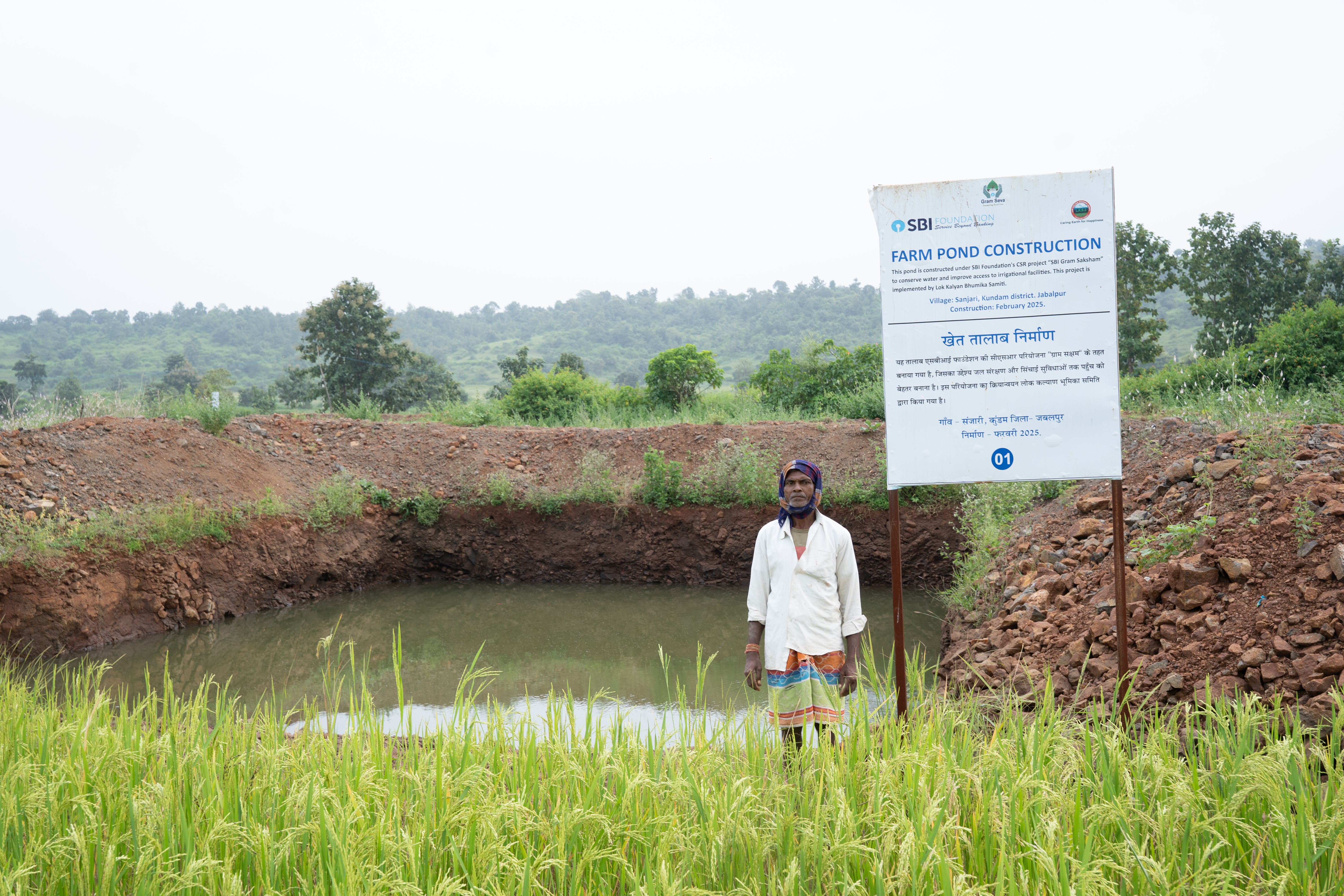
- 80+ crore litres of water recharged via 100+ farm ponds
- 2,000+ families supported through seed kits and organic input use
- 240 hectares of land brought under soil moisture improvement
- 1,600+ hectares under climate-adaptive farming across Panna and Jabalpur
- 15 producers continue making and selling Jeevamrit organic compost locally
Impact Summary
Community Institution Building & Financial Inclusion
This thematic area strengthens the foundation of rural development by fostering robust, community-owned institutions such as Self-Help Groups, Area and Cluster Level Federations, and Off-Farm Producer Organisations.
Key Objectives:
Key Milestones & Achievements:
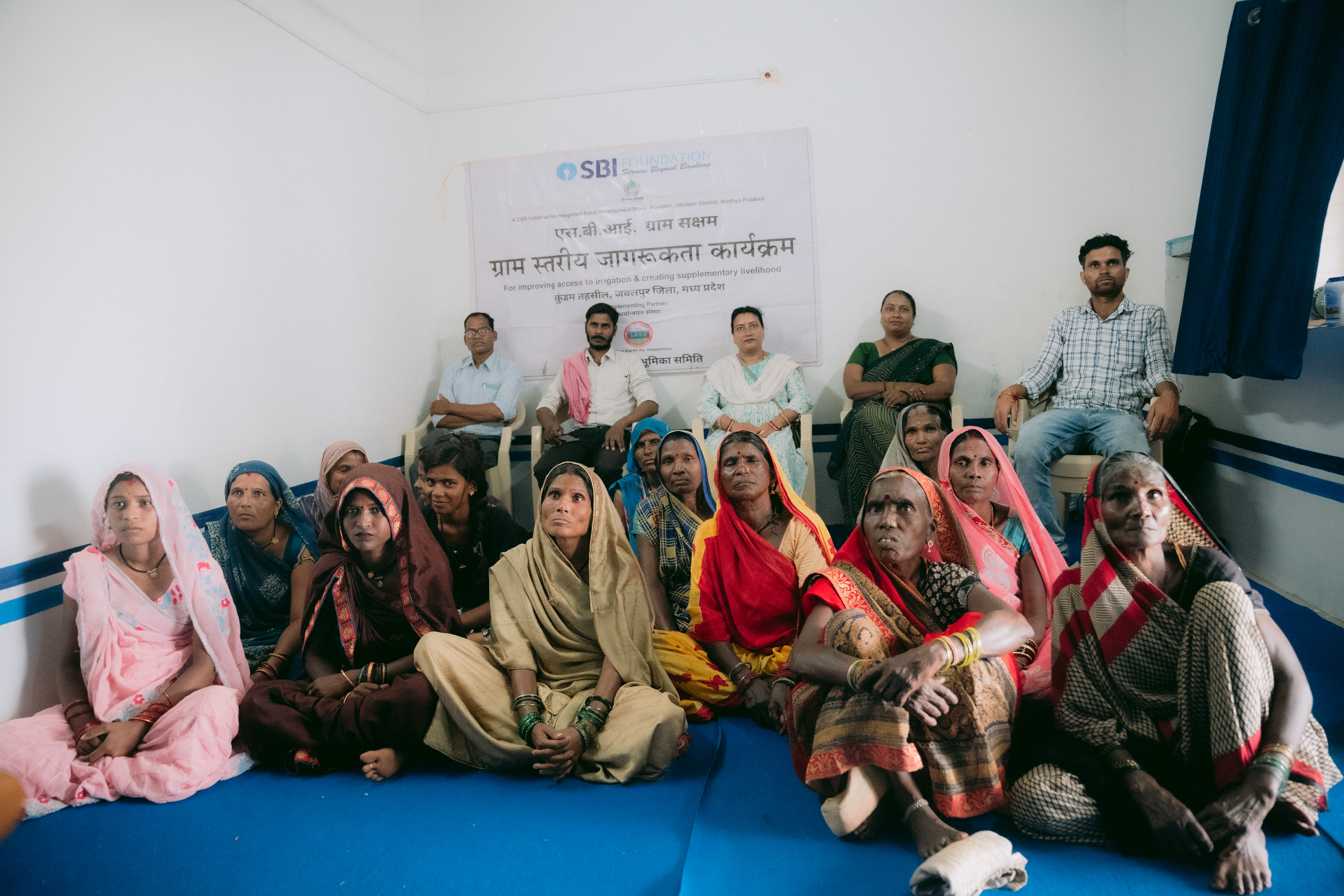
- 800+ SHGs formed and strengthened across urban and rural geographies
- 33 ALFs & 4 CLFs developed with active leadership and federated governance
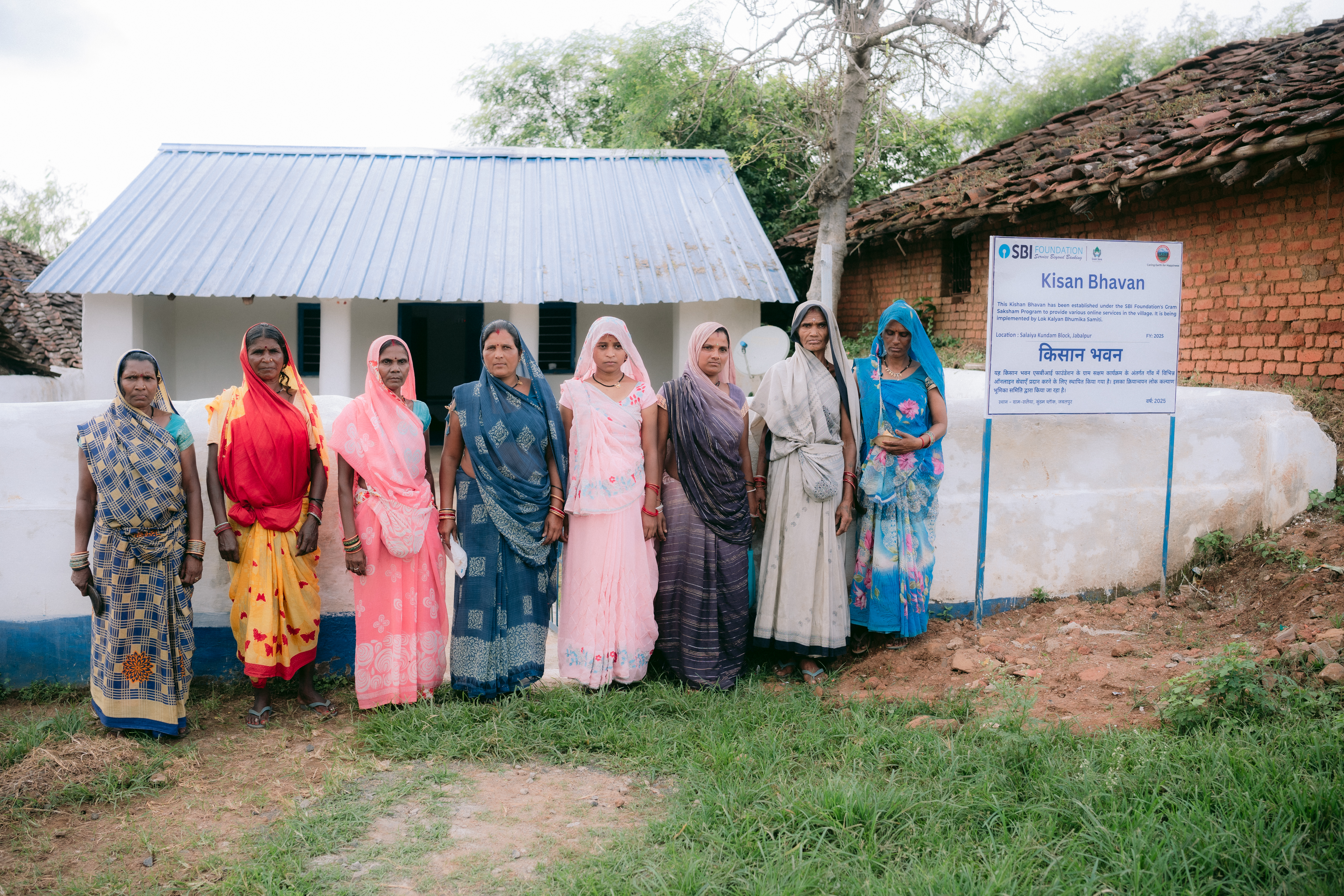
- E-Shakti platform implemented for digital SHG monitoring in 42 villages
- Financial literacy and bookkeeping training provided to 100+ SHGs
Impact Summary
Health, Nutrition & Social Inclusion
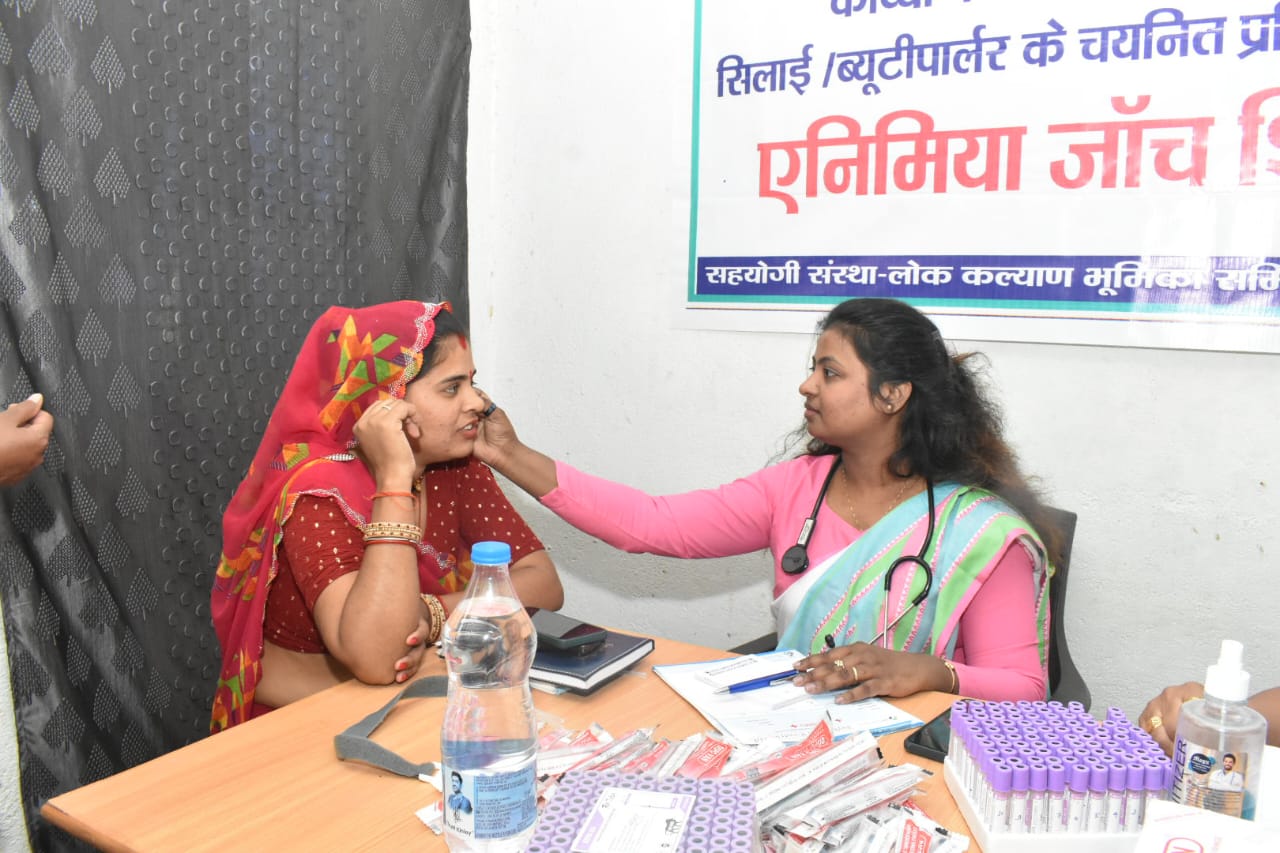
LKBS's work in health, nutrition, and social inclusion focuses on improving well-being and ensuring equitable access to services for tribal, forest-dependent, and SC/ST communities.
Key Objectives:
Key Milestones & Achievements:
- 2,780 individuals linked to Ayushman, Aadhaar, and e-Cards under BIJ 3.0
- 300 women trained with home-based nutrition gardens under JK Cement programme
- Regular menstrual hygiene & sanitation workshops across schools and SHGs
Impact Summary
Interested in Partnering Across These Themes?
LKBS collaborates with CSR foundations, development finance institutions, and government departments to co-design and execute high-impact interventions.
Contact Our Program Team